Encounter with mammoth....
In childhood, I had heard many stories of close encounters and narrow escapes from fights with sloth bears. As I grew up, I saw many such encounters with lions, elephants, etc., on Discovery and National Geographic Channel. After I started wandering in the wild, I heard many such stories. Today, I will be narrating one such encounter of mine with one of the surviving mammoths on earth, the Rhinoceros.
November 2012; to check the progress of preparations for Wildlife Day celebrations, I went to Falakata from Madarihat. After the progress was checked, instead of taking the direct road to Madarihat, I chose the jungle road. I decided to drive the vehicle. On the way back, two of my Range Officers, Buddhadeb and Ranjan Talukdar, were narrating the story of a rhino attacking the vehicle of an Assistant Wildlife Warden long back. Listening to the stories, I drove into the tall, dense grasslands of Moyurdanga. Moyurdanga, as the name suggests, derives its name from Mayur (peacock). The fertile alluvial soil of the Torsa has made the grasses here taller than the trees of the arid zone. Rhino density is good in this habitat of Moyurdanga because of the perennial Buri (Old) Torsa River. Rhinos have attacked and killed many people in this patch. Dense and tall Saccharum grasses provide the perfect situation for a close encounter with a four-ton mammoth. Oblivious to these facts, I took a slow turn. A mother rhino with her calf, shown in the picture below, was grazing on the road. On seeing the rhino, I stopped the vehicle. Within seconds, the mother came rushing towards the vehicle. She stopped a few metres away, sniffed as if to say, "Dare not come near my baby," then returned and vanished with her calf into the grassy glade. My Range Officers laughed and said that the rhinos of Jaldapara liked the Assistant Wildlife Warden's vehicle. After taking a deep breath, I started my vehicle and dropped my Range Officers at their houses in Jaldapara.
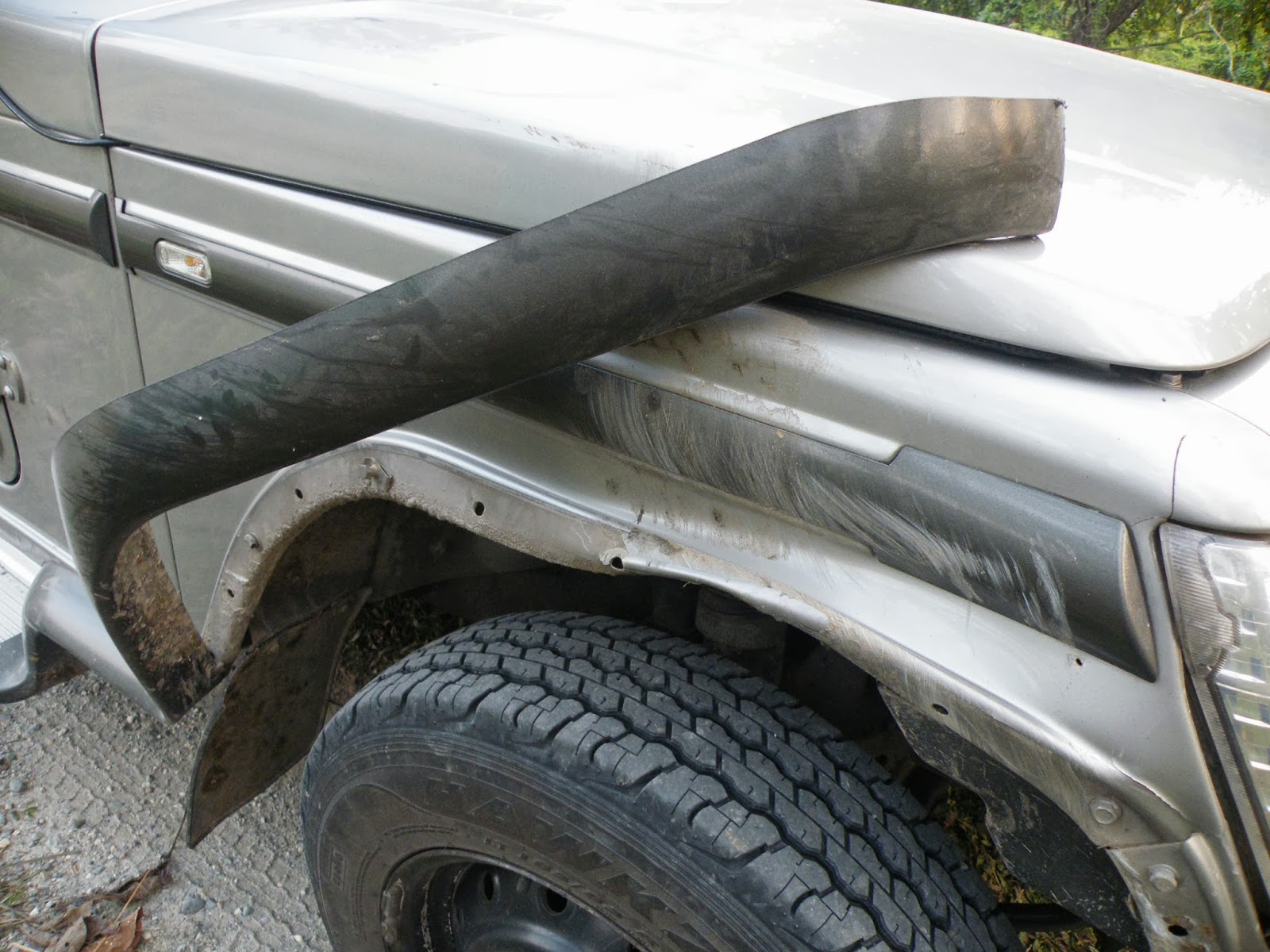
I took the game road from Jaldapara to Madarihat. After crossing the Jaldapara tower, a herd of gaur was encountered. Owing to the absence of tigers, the gaur population is increasing at a rapid rate in Jaldapara. Sightings of large herds of gaur are very common in Jaldapara. Within a few hundred metres of crossing the gaur, a small rhino was seen on the road. I immediately stopped and took my camera to capture the rhino. Upon seeing our vehicle, it went inside the Saccharum glade. Samaresh, my driver, said it was a sub-adult. My sixth sense told me it was a calf and that its mother must be around. Holding the camera in my right hand, I slowly steered the vehicle ahead. I might have moved ten metres when, behind the Saccharum grasses, the mother rhino was grazing, and the calf, which had already seen us, was nervous. Holding the camera on the door, I was aiming for a shot. The mother immediately rushed towards my vehicle. "Sir, return leejiye," Samaresh said hurriedly. Even before I realized the situation, the four-ton mammoth came running near the front right wheel. It was just a metre away from me. I could clearly see its teeth, nose, and horn. With its nose and horn, it gave two strong, powerful hits to my vehicle. Twice, the vehicle went up and came down. The rhino retreated after the two powerful pushes. For a moment, my heartbeat had stopped. With a slightly more powerful hit, the vehicle would have toppled easily. Fortunately, we were safe. The mudguard had come out, and there was a small dent in the metal body. The rhino's nose had bruised the outside edge of the vehicle. The vehicle would have toppled if the rhino had been able to put its entire nose and horn beneath it. I was holding the camera just a metre away from the rhino. Even before I could press the camera button, the rhino was out of sight.
After taking deep breaths for two minutes, I drove back home. The day was exceptional as rhinos attacked us twice within a gap of half an hour. Rhinos readily attack when they feel threatened. As I collected information later, the mothers that attacked my vehicle were under stress from breeding males. The breeding males try to kill the calves so that they can mate with the mothers. Mothers remain protective of their calves until they are weaned, i.e., until they are four to five years old. After this incident, my admiration for rhinos doubled.
Below are the pictures that I took on my way. The picture of the rhino that attacked the vehicle is missing because I could not press the button during that awesome incident. But it is still fresh in my memory.




GOOD LUCK MY GOOD FRIEND.....A FINEST NARRATION FROM A FORESTER I HAVE EVER READ.....NICE ONE ......AS LIKE YOU ME ALSO A KEEN LOVER OF WILD LIFE...I THINK YOU HAVE GOT SOME IDEAS .....WHEN WE WORK TOGETHER IN JALDAPARA NATIONAL PARK...ONCE A GOUR ATTACKED ME AS LIKE AS YOU NEAR KACHUBARI TOWER IN WEST RANGE OF THAT NP....THAT DAY I ALONG WITH RAJU SURVIVED AS YOU....THAT DAY OUR CAR ALSO BADLY DAMAGED BY A BULL....
ReplyDeleteSanthosh, this is an excellent story. Please share more of your experiences in the wilderness.
ReplyDeleteIt is quite informative about behaviour of Rhino please write how behaviour of rhino changes through the seasons.........please be careful and not to take too much on known risk!
ReplyDeleteWowwwwwwww... adventures ..nice one keep going...god bless
ReplyDeletewow wat an experience!!!!!! every time u enter a forest u wont kno wats in store, even though u hav known the forest like ur home but its always full of surprises and experiences!!!!!!!! nice u have penned down ur experinces ..... continue sharing ur experinces n tc
ReplyDeleteYou were trying to take pics while under attack by an angry rhino !! :-) Hats off to you Santhosha !!
ReplyDeleteAmazing!!
ReplyDeleteReally touching about the care shown by the Mother Rhino..
Fantastic narration sir; waiting to read more of ur experiences in the coming days.
Best wild lifer in best place at best time for best encounter,Karnataka Forest miss you sir,come home for a stint........!!!
ReplyDeleteAfter long time gubbi nice to read..
ReplyDelete